
As the cryptocurrency landscape continues to evolve rapidly, identifying the best centralized exchange has become crucial for traders and investors. Coinreviews aims to guide you through the top platforms of 2024, shedding light on their features, security measures, and overall user experience. Whether you’re a seasoned trader or a newcomer to the crypto world, discovering the best centralized exchange can make all the difference in your trading journey.
Join Coinreviews as we delve into the leading platforms that are setting the benchmark for excellence in the industry.
What Are Centralized Exchanges?
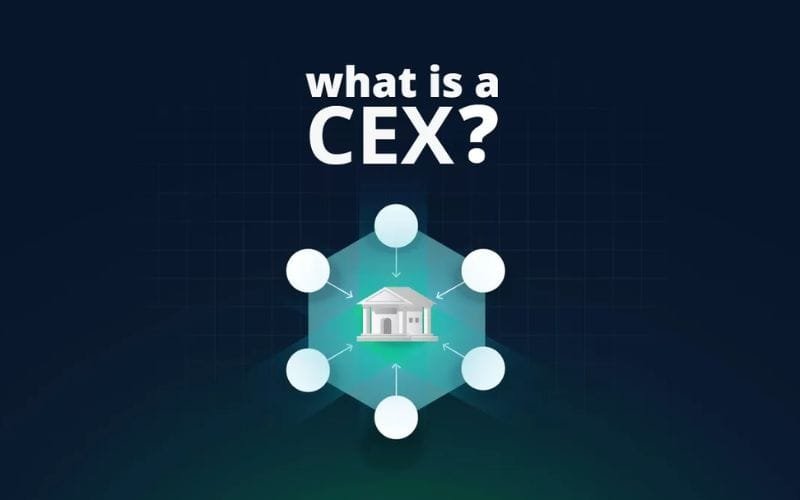
Centralized cryptocurrency exchanges (CEXs) serve as intermediaries between buyers and sellers, generating revenue through commissions and transaction fees. You can think of a CEX as similar to a stock exchange, but for digital currencies.
Well-known crypto exchanges include Binance, Coinbase, Kraken, and KuCoin. Just like stock trading platforms or apps, these exchanges enable cryptocurrency traders to buy and sell digital assets at the current market price, known as spot trading, or set orders that are triggered when the asset reaches a specific price, called limit orders.
CEXs function using an order book system, where buy and sell orders are listed and ranked based on the price the user wishes to buy or sell at. The exchange’s matching engine then pairs buyers and sellers at the best available price, depending on the volume being traded. Consequently, the price of a digital asset is determined by the supply and demand of that asset relative to fiat currencies or other cryptocurrencies.
CEXs also have the authority to decide which digital assets are available for trading, offering some level of security by potentially filtering out unreliable or fraudulent assets.
 Is Centralized Exchange Really Popular?
How Do Centralized Trading Platforms Work?
The best centralized exchanges serve as intermediaries between buyers and sellers, enabling the exchange of cryptocurrencies for fiat currencies or other digital assets. These platforms are operated by a specific company that controls the exchange, bringing a traditional business model to the decentralized world of cryptocurrencies.
To trade on a centralized exchange, users must first deposit their funds into the platform. Once deposited, the exchange credits their internal account, allowing users to place buy or sell orders. The exchange’s trading engine matches these orders, facilitating the trade and updating the users’ account balances accordingly. This process ensures trades are executed efficiently and fairly.
Many of the best centralized exchanges also offer additional features such as margin trading, futures, and options trading, which are typically not available on decentralized platforms. These features attract both novice and experienced traders by offering tools that support more complex trading strategies.
For further insight into how the best centralized exchanges maintain liquidity and handle trades, resources like Binance Academy provide in-depth information.
User Registration and Verification Process
The user registration and verification process on the best centralized exchanges is essential to meet regulatory standards and reduce fraudulent activity. Typically, users create an account by providing basic information like their name, email, and sometimes a phone number. Afterward, they go through the Know Your Customer (KYC) process.
During KYC, users must submit identification documents, such as a government-issued ID or proof of address, like a utility bill. The purpose of KYC is to prevent illegal activities, such as money laundering and terrorism financing. The verification level can vary depending on the user’s intended trading volume or local regulations.
Once verified, users can deposit funds and begin trading. This process enhances security for both the user and the best centralized exchanges, ensuring all participants are legitimate. For more details, resources like CryptoNews explain KYC’s importance and its role in the cryptocurrency space.

Is the centralized exchange safe compared to other exchanges?
Deposit and Withdrawal Mechanisms
The best centralized exchanges offer a variety of deposit and withdrawal options to ensure smooth and secure transactions. These mechanisms are vital for liquidity and ease of use. Users can typically fund their accounts through bank transfers, credit/debit cards, or even newer payment methods like Apple Pay and Google Pay, with support for both fiat and cryptocurrencies.
Bank transfers, though slower, are widely used for larger transactions with lower fees. Credit card payments are faster but may incur higher fees. The best centralized exchanges prioritize the security of withdrawals, often requiring multiple verification steps, including identity verification and two-factor authentication (2FA), to ensure the safe return of funds.
For further details on how the best centralized exchanges manage deposits and withdrawals, platforms like Investopedia provide comprehensive explanations.
Trading and Order Matching
At the heart of every best centralized exchange is its trading and order-matching system. This system takes buy and sell orders and matches them based on parameters such as price and volume. Advanced exchanges use sophisticated algorithms to ensure that matching is efficient and transparent, reducing the risk of market manipulation and enhancing liquidity.
Users can place a variety of orders, including market, limit, and stop-loss orders. Market orders execute instantly at the current price, while limit orders are fulfilled only when the asset reaches a set price. Stop-loss orders automatically sell assets if prices fall to a certain level, protecting traders from large losses. The efficiency and speed of the order-matching system are critical to the performance of the best centralized exchanges.
Those looking to dive deeper into how order-matching works can consult detailed resources, such as those provided by Binance Academy, for an in-depth explanation.
Security Measures
Security is a top priority for the best centralized exchanges, given the digital nature of assets and the history of cyberattacks in the crypto space. These platforms employ a wide range of security measures, including two-factor authentication (2FA), encryption, cold storage for most funds, and regular security audits. Some exchanges even offer insurance to cover potential losses in the event of a security breach.
Two-factor authentication adds an extra layer of security by requiring a secondary form of verification, such as a code sent to the user’s mobile device or generated through an app like Google Authenticator. Encryption secures data transmission between users and the exchange. Most of the best centralized exchanges store the majority of assets in cold wallets, which are offline and therefore more secure from hacking attempts.
Additionally, regular security audits, often conducted by third-party firms, help identify and fix potential vulnerabilities. For a more detailed comparison of the security practices of the best centralized exchanges, platforms like CryptoCompare offer in-depth reviews.
Key Features to Look for in a Centralized Exchange

Centralized exchange features in 2024
User Experience (UX) and Interface
An intuitive and user-friendly interface is essential for both new and experienced traders. Look for exchanges that provide:
Ease of navigation: A simple and clean layout helps traders find key features like buy/sell options, portfolio tracking, and charts without hassle.
Available trading tools and charts: Advanced trading tools, indicators, and charting options allow users to make more informed decisions. Some of the best centralized exchanges offer features such as customizable dashboards and real-time market data.
Liquidity
Liquidity is crucial for smooth trading experiences, ensuring that users can execute trades quickly without large price fluctuations. The best centralized exchanges offer:
- High volume of trading pairs: A wide range of trading pairs (e.g., BTC/USD, ETH/BTC) ensures users have ample opportunities to trade across different assets.
- Importance of high liquidity: High liquidity means lower slippage and better trade execution, which is especially important for large trades. It also means users can easily enter or exit positions without dramatic price changes.
Fees
Transaction costs are an important factor to consider when evaluating exchanges. The best centralized exchanges provide transparent and competitive fee structures:
- Trading fees: These are typically charged per transaction and can vary depending on the user’s trading volume or the type of trade (maker vs. taker).
- Deposit and withdrawal fees: Some platforms charge for depositing or withdrawing funds, with the fees varying based on the payment method used (bank transfer, credit card, or cryptocurrency).
Available Assets
The range of supported cryptocurrencies and fiat currencies can significantly impact a user’s trading strategy. Leading exchanges offer:
- Wide range of supported cryptocurrencies: From well-known digital assets like Bitcoin (BTC) and Ethereum (ETH) to lesser-known altcoins, having a broad selection ensures more trading opportunities.
- Fiat currency support: The ability to trade cryptocurrencies against fiat currencies (USD, EUR, etc.) is a key feature for those who wish to enter or exit the crypto market easily.
Regulation and Compliance
Trustworthy centralized exchanges operate within legal frameworks and adhere to industry standards. The best centralized exchanges follow strict regulatory guidelines:
- Licensed and regulated exchanges: Exchanges that comply with government regulations provide users with a sense of security and legitimacy. This also ensures that the exchange operates transparently.
- KYC (Know Your Customer) and AML (Anti-Money Laundering) policies: These processes require users to verify their identity, helping to prevent illegal activities like money laundering or fraud.
Customer Support
Responsive and reliable customer support is crucial, especially for users encountering issues or requiring assistance. The best centralized exchanges offer:
- Multiple support channels: These include live chat, email, and phone support to resolve issues quickly.
- Help documentation: Comprehensive FAQs, tutorials, and guides provide self-help resources for users to troubleshoot common problems on their own.
Additional Features
To attract more users, the best centralized exchanges often offer extra services and tools that go beyond standard trading, such as:
- Staking: Allows users to earn rewards by holding and staking certain cryptocurrencies.
- Margin trading: Enables users to borrow funds to amplify their trading positions, increasing potential gains (but also risks).
- Lending and borrowing: Some platforms allow users to lend their assets to others for interest, or borrow assets for trading purposes.
Types of Centralized Crypto Exchanges
Are centralized exchange cryptocurrencies worth investing in?
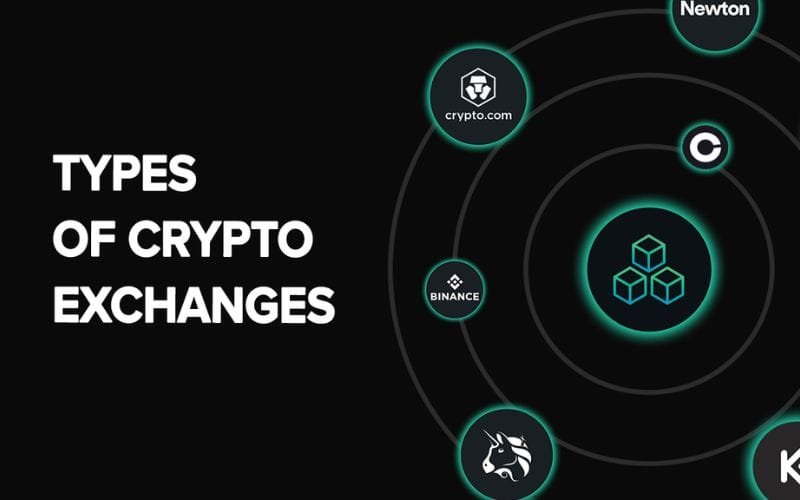
Centralized cryptocurrency exchanges (CEXs) act as platforms where users can buy, sell, or trade cryptocurrencies while relying on a third party to facilitate and secure transactions. These exchanges are essential to the crypto ecosystem, offering liquidity and enabling price discovery for various digital assets. The best centralized exchanges can be classified into two main types: Fiat to Crypto Exchanges and Crypto to Crypto Exchanges.
Fiat to Crypto Exchanges
Fiat to Crypto Exchanges are platforms that allow users to exchange traditional fiat currencies, like USD, EUR, or GBP, directly for cryptocurrencies such as Bitcoin, Ethereum, and others. These exchanges serve as a crucial entry point for new users entering the digital asset world. By bridging the gap between the traditional financial system and the crypto market, these platforms play a key role in expanding the adoption and accessibility of cryptocurrencies.
The best centralized exchanges that offer fiat-to-crypto services make it easy for newcomers to purchase digital currencies directly with fiat, simplifying the overall user experience. However, these platforms must comply with stringent regulatory requirements, including Know Your Customer (KYC) and Anti-Money Laundering (AML) protocols, which can impose operational burdens but ensure a higher level of security and trust.
Crypto to Crypto Exchanges
Crypto to Crypto Exchanges allow users to trade one cryptocurrency for another, without the involvement of fiat currencies. This type of platform is ideal for users looking to diversify their crypto portfolios or capitalize on market movements between various digital currencies. These exchanges generally offer a broader selection of tradable cryptocurrencies compared to fiat-to-crypto platforms.
The best centralized exchanges in this category often provide advanced trading options, such as futures and options, catering to more experienced traders. They are generally less regulated than fiat-to-crypto exchanges, which can lead to a quicker account setup and fewer user verification requirements. However, this also introduces higher risks related to security and fraud, which makes selecting a trusted platform essential.
For those exploring the best centralized exchanges in this category, Binance and Kraken are excellent examples, offering extensive trading options and educational resources on how to optimize your trading strategies.
Hybrid Exchanges
Hybrid exchanges strive to combine the benefits of both centralized and decentralized exchanges, providing users with a balanced trading experience. These platforms offer the efficiency and ease of use seen in the best centralized exchanges, while incorporating decentralized features such as enhanced security and control over private keys.
One of the key advantages of hybrid exchanges is their ability to improve security through decentralized elements. They often use smart contracts to execute trades, reducing the involvement of third parties and lowering the risk of hacking incidents. The best centralized exchanges that incorporate hybrid features also allow users to retain control of their private keys, which strengthens user security by maintaining ownership of digital assets.
Additionally, hybrid exchanges offer greater privacy, requiring less personal information than fully centralized platforms. This appeals to traders who prioritize anonymity while benefiting from the speed and convenience of centralized services. Understanding the blend of centralized and decentralized features offered by hybrid platforms can help users choose the best centralized exchange that aligns with their security, privacy, and trading needs.
Top 15 Best Centralized Exchanges in 2024
Binance
Binance is still chosen by many investors in 2024
Overview: The largest exchange by trading volume, known for its vast crypto selection, low fees, and advanced tools.
Key Features:
- Wide range of assets.
- Low trading fees.
- Binance Smart Chain integration.
- High liquidity.
Read more: Binance Review: Features, Supported Cryptos and Fees!
Coinbase
Overview: A user-friendly exchange popular with beginners, but also trusted by institutions for its security and regulatory compliance.
Key Features:
- Easy fiat-to-crypto conversion.
- Cold storage for most assets.
- Coinbase Pro for advanced users.
- Strong regulatory backing.
Kraken
Overview: Known for its robust security measures and offering a variety of trading options such as margin trading and futures.
Key Features:
- High liquidity.
- Advanced security features.
- Staking and margin trading.
- Fiat trading pairs.
KuCoin

Should You Invest in KuCoin?
Overview: Offers a wide selection of cryptocurrencies and low trading fees, making it a popular exchange for altcoin enthusiasts.
Key Features:
- Over 700 crypto assets.
- Social trading features.
- KuCoin Earn for staking and lending.
- Low fees.
OKX
Overview: A leading exchange in derivatives and futures trading with strong liquidity in major markets.
Key Features:
- Futures, options, and perpetual contracts.
- Competitive fees.
- Advanced trading tools.
- DeFi wallet integration.
Bybit
Overview: Focuses on derivatives trading with high-speed trade execution and attractive leverage options.
Key Features:
- Leverage up to 100x.
- Fast trade execution.
- Derivatives and futures-focused.
- No-fee deposits.
Read more: Bybit Review: Pros, Cons and Key Features
Bitfinex
Overview: Known for advanced trading features, Bitfinex is well-suited for professional traders with high liquidity in major pairs.
Key Features:
- Margin trading and lending.
- High liquidity for major assets.
- API support for automated trading.
- Fee discounts for large volume traders.
Read more: Bitfinex Review: Is It Secure or Scam?
HTX Global
Overview: A long-standing exchange offering a wide range of cryptocurrencies and professional trading tools.
Key Features:
- High liquidity.
- Spot, margin, and derivatives trading.
- Staking and lending options.
- Global user support.
Read more: HTX Review: Fees, Security, Pros & Cons
Gate.io
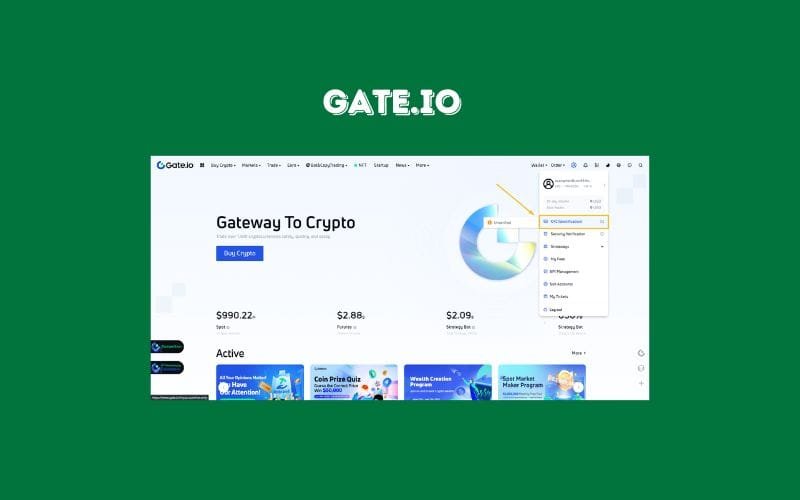 Source: Gate.io
Overview: Known for its wide range of assets, Gate.io offers early access to new projects and features such as margin and futures trading.
Key Features:
- Over 1000 crypto assets.
- Initial offerings through Gate.io startup.
- Margin trading and futures.
- Competitive fees for frequent traders.
Gemini
Overview: A U.S.-regulated exchange that prioritizes security, regulatory compliance, and institutional-grade services.
Key Features:
- Regulated and insured.
- Simple user interface.
- Cold storage for security.
- Institutional services and Gemini Earn.
Crypto.com Exchange
Overview: An all-in-one crypto platform with a range of financial services, including trading, staking, and crypto-backed loans.
Key Features:
- Crypto Visa card.
- Staking and lending.
- Easy-to-use mobile app.
- Competitive trading fees.
Read more: Crypto.com Review: Is the Exchange Safe or Scam?
Bitstamp
Overview: A veteran in the crypto industry, Bitstamp offers a simple interface and reliable trading services with fiat support.
Key Features:
- Secure and regulated.
- Fiat-to-crypto trading.
- Competitive fees for larger trades.
- Reliable for institutional clients.
Bithumb
Overview: One of South Korea’s largest exchanges, offering high liquidity and access to a range of crypto assets.
Key Features:
- Strong presence in Asia.
- High liquidity in trading pairs.
- Staking and lending options.
- Fiat trading pairs for KRW.
MEXC Global
The best centralized exchange don’t forget MEXC Global
Overview: A rapidly growing exchange known for listing new coins early and offering advanced trading features.
Key Features:
- Early access to new altcoins.
- Derivatives and leveraged trading.
- Staking and yield farming.
- Low fees.
LBank
Overview: A global platform known for its wide variety of tokens and strong security protocols, with a growing user base.
Key Features:
- Security-focused.
- A wide range of crypto assets.
- Staking options.
- Low fees and global accessibility.
Read more: LBank Review: Is It the Right Exchange for You?
Challenges Faced by Centralized Crypto Exchanges

What are the challenges of centralized exchange in the future?
Even the best centralized exchanges face significant challenges despite their widespread use and popularity. One of the primary concerns is security vulnerabilities. Since centralized exchanges store users’ funds and personal information on central servers, they become prime targets for hackers. Over the years, there have been multiple high-profile breaches where billions of dollars’ worth of cryptocurrencies were stolen. Incidents such as the Mt. Gox and Coincheck hacks are stark examples of the security risks that come with centralized exchanges. You can find more information about these events on cybersecurity resources like Kaspersky.
Another major challenge is regulatory compliance. The best centralized exchanges must navigate complex regulatory environments that vary by region. Compliance with local laws can be resource-intensive and limit an exchange’s operational flexibility. Additionally, the regulatory landscape for cryptocurrencies is still evolving, creating an uncertain environment for exchanges. They need to adapt quickly to stay compliant, which can prove challenging, particularly in regions with stricter financial regulations.
Customer service is another common pain point. As the best centralized exchanges grow, the sheer volume of users and the complexity of managing transactions, account verifications, and disputes can lead to delays. This can frustrate users, affecting the overall experience and damaging the exchange’s reputation.
While the best centralized exchanges offer numerous advantages, these challenges must be carefully managed to ensure user safety, compliance, and satisfaction. To explore more about the crucial role centralized exchanges play in crypto trading, you can find further reading here.
Security Concerns
Security is a critical issue for the best centralized exchanges because they handle vast amounts of digital assets and sensitive user information. These platforms are frequent targets for cyberattacks, including DDoS attacks, data breaches, and insider threats. To mitigate these risks, centralized exchanges must implement strong security protocols.
Effective security strategies include physical protection measures like controlled access to servers, as well as advanced cybersecurity measures such as encryption, firewalls, and regular security audits. The best centralized exchanges also make use of cold storage to protect the majority of user funds, ensuring they are less vulnerable to online hacking attempts. For more details on security best practices, you can visit CSO Online for comprehensive articles.
Regulatory Issues
The best centralized exchanges must also deal with complex regulatory issues. Depending on the region, exchanges must adhere to different regulations related to data protection, anti-money laundering (AML), and user privacy. For example, in the European Union, the General Data Protection Regulation (GDPR) has strict rules about data handling, while in the United States, exchanges may need to comply with financial and healthcare data regulations like HIPAA or Sarbanes-Oxley.
Staying compliant with these regulations is crucial for avoiding legal penalties and maintaining the trust of users. Understanding these regulatory frameworks is essential for exchanges, and resources like TechTarget can help exchange operators stay informed about regulatory requirements.
Dependence on the Operational Team
The efficiency and reliability of the best centralized exchanges depend heavily on their operational teams. These teams are responsible for managing the exchange’s infrastructure, ensuring that trading, security, and customer service run smoothly. Their duties include maintaining hardware, managing network setups, performing software updates, and executing disaster recovery plans.
A skilled and proactive operational team is essential for minimizing downtime and ensuring continuous service availability. Training and retaining talented team members is a priority for the best centralized exchanges, as they are crucial for the platform’s success. For insights on best practices for building and managing operational teams, Data Center Knowledge offers valuable information for leaders in the industry.
Advantages of Centralized Cryptocurrency Exchanges
User-friendly The best centralized exchanges provide a user-friendly experience, making it easier for beginner investors to trade and invest in cryptocurrencies. Unlike the more complex process of using crypto wallets and peer-to-peer transactions, centralized exchanges allow users to simply log in, view account balances, and make transactions through intuitive websites and apps.
Reliable Another advantage of the best centralized exchanges is the added security and reliability they offer. By facilitating transactions through a well-established, centralized platform, these exchanges provide a sense of security and trust for users, ensuring smoother transactions and trading experiences.
Leverage Certain of the best centralized exchanges offer the option of leveraging investments through margin trading, where users can borrow funds from the exchange to increase their potential returns. However, it’s important to note that while leverage can amplify profits, it can also magnify losses.
Disadvantages of Centralized Cryptocurrency Exchanges
Hacking risk Even the best centralized exchanges are vulnerable to hacking because they hold large amounts of cryptocurrencies in custody. Major exchanges manage billions of dollars in assets, making them attractive targets for cybercriminals. A notable example is the Mt. Gox incident, where 850,000 bitcoins were stolen, leading to the exchange’s collapse.
Transaction fees The best centralized exchanges often charge significant transaction fees in exchange for the convenience they provide. These fees can add up, especially for users engaging in high-volume trading, making it more expensive compared to peer-to-peer transactions.
Custody of digital assets and fraud risk Most of the best centralized exchanges act as custodians of users’ digital assets, holding them in their own wallets rather than allowing users to control their private keys. While this setup is more convenient for frequent trading, it also presents risks, such as the possibility of fraud or exchange failure. Recent high-profile collapses, like FTX and the fallout from TerraUSD and Luna, illustrate the potential dangers of centralized exchanges holding customers’ assets.
How to Choose the Best Centralized Exchange for You?
Is choosing a CEX difficult these days?
When selecting the best centralized exchange, it’s important to evaluate factors such as trading fees, payment methods, security features, and the platform’s reputation. Ensure the exchange is available in your region and supports the cryptocurrencies you plan to trade. Additionally, look for a user-friendly interface and reliable customer support, as these elements greatly influence your trading experience.
Security
Security is crucial when choosing the best centralized exchange. Look for exchanges that prioritize safety with robust features like two-factor authentication (2FA), encryption, and cold storage for your assets. The right platform should safeguard your funds from potential threats, allowing you to trade with confidence.
Payment Methods
The best centralized exchanges offer a variety of payment methods for greater convenience and flexibility. These typically include bank transfers, credit/debit cards, and even third-party processors. Make sure your preferred payment option is supported, and be mindful of any fees or processing times associated with it.
Accessibility
Accessibility is key when selecting the best centralized exchange. Choose a platform that is user-friendly and available in your country, with multilingual support to enhance your overall trading experience. Ensure the exchange complies with local regulations to avoid potential legal issues.
Reputation
The reputation of the best centralized exchange speaks volumes about its reliability. Research community reviews and user feedback to ensure the platform has a strong track record for security, service, and customer support. A well-regarded exchange can offer you more peace of mind.
Available Cryptocurrencies
A diverse range of cryptocurrencies is essential when looking for the best centralized exchange. The platform should support major cryptocurrencies like Bitcoin and Ethereum, as well as various altcoins, giving you the flexibility to diversify your portfolio according to your trading needs.
Trading Fees
The best centralized exchange should have competitive trading fees, as this can significantly affect your profitability. Centralized exchanges usually charge a percentage fee on each trade, which can vary depending on factors like trading volume or account type. Compare fees across exchanges to ensure you’re getting the best deal, especially if you trade frequently.
Liquidity of Crypto Assets
Liquidity is vital when trading on the best centralized exchange. High liquidity ensures that you can execute large trades quickly and with minimal price slippage, resulting in a smoother trading experience and more accurate pricing.
Support
Responsive customer support is a hallmark of the best centralized exchange. Ensure the platform offers multiple support options, such as live chat, email, or phone assistance, and that the support team is knowledgeable and available 24/7 to address any issues or concerns.
User Interface
A user-friendly interface is essential for both new and experienced traders. The best centralized exchanges feature intuitive designs that make it easy to navigate the platform, execute trades, and manage portfolios with efficiency and ease.
Best Centralized Exchange – Frequently Asked Questions
What are the key differences between centralized and decentralized exchanges?
The best centralized exchanges are managed by a central authority that facilitates trades and holds users’ funds, while decentralized exchanges allow users to trade directly with one another without intermediaries.
Can I trade anonymously on the best centralized exchange?
Most of the best centralized exchanges require identity verification, making it challenging to trade anonymously. However, some platforms may allow limited trading with minimal KYC (Know Your Customer) requirements.
Are there any limits on how much I can trade on the best centralized exchange?
The best centralized exchanges often impose trading limits based on your account verification level. Higher verification levels generally provide increased trading limits.
How do the best centralized exchanges handle disputes or issues with trades?
The best centralized exchanges typically offer customer support to help resolve disputes or issues. They may also have a formal process in place for handling trade errors or discrepancies.
Can I access the best centralized exchange from any country?
Accessibility to the best centralized exchange depends on the platform and local regulations. Some exchanges may restrict access based on regional laws, so it’s important to check if the exchange supports users in your country.
What trading tools are available on the best centralized exchange?
The best centralized exchanges offer a wide range of trading tools, including advanced charting features, market analysis, stop-loss orders, and margin trading capabilities.
How do the best centralized exchanges ensure the security of my funds?
The best centralized exchanges implement strong security measures such as two-factor authentication (2FA), encryption, and cold storage to protect user funds from potential threats.
What happens if the best centralized exchange is hacked?
If the best centralized exchange is hacked, users’ funds may be at risk. However, many top exchanges offer insurance or compensation plans to cover losses, making it crucial to choose a highly secure platform.
How quickly can I withdraw funds from the best centralized exchange?
Withdrawal times on the best centralized exchanges depend on the method used. Cryptocurrency withdrawals are usually faster, while fiat withdrawals can take a few business days.
Do the best centralized exchanges offer mobile apps for trading on the go?
Yes, the best centralized exchanges provide mobile apps, allowing users to trade, monitor portfolios, and manage accounts directly from their smartphones.
Should You Join a Centralized Exchange in 2024?
As the cryptocurrency market continues to grow and evolve, many investors are faced with the question: Should you join a centralized exchange in 2024? The answer depends on various factors, including your trading experience, security needs, and preferences for convenience. Centralized exchanges (CEXs) have long been the go-to platforms for trading digital assets, offering user-friendly interfaces and advanced features. In 2024, joining the best centralized exchange could offer several advantages.

Should you invest in CEX in the future?
User-Friendly Experience
One of the primary reasons to consider joining a best centralized exchange is its ease of use. These platforms are designed to accommodate both beginners and experienced traders, providing intuitive interfaces, mobile apps, and a variety of tools to make trading easier. Unlike decentralized exchanges, which can be complex and require technical knowledge, the best centralized exchange ensures that users can sign up quickly, deposit funds, and start trading almost instantly. For those new to crypto, this can be a crucial factor when deciding whether to join a CEX.
Security and Trust
Security is always a top concern in the crypto space, and the best centralized exchange takes this seriously by implementing robust security measures. These may include two-factor authentication (2FA), encryption, and cold storage for a large portion of user funds. Additionally, some of the best centralized exchanges in 2024 offer insurance policies or compensation plans in case of hacks, which can provide an extra layer of protection for your assets. However, it’s important to choose a platform with a solid reputation and track record in order to minimize the risk of potential hacks or fraud.
Access to Diverse Assets and Features
Another compelling reason to join the best centralized exchange in 2024 is the access to a wide range of cryptocurrencies and trading features. Most leading CEXs support not only major coins like Bitcoin and Ethereum but also an array of altcoins and new projects. They also offer advanced trading options such as margin trading, staking, and lending, which allow users to maximize their investment potential. For those looking to diversify their portfolio or experiment with different financial instruments, a best centralized exchange provides an ideal environment.
Regulatory Compliance
In 2024, regulatory oversight of cryptocurrency exchanges is expected to increase. The best centralized exchange will be fully compliant with global and regional regulations, including Know Your Customer (KYC) and Anti-Money Laundering (AML) procedures. This compliance can give you peace of mind that your investments are handled within a legal framework, reducing the risk of encountering fraudulent platforms or unreliable exchanges.
Conclusion
In conclusion, identifying the best centralized exchange is essential for navigating the dynamic world of cryptocurrency. As we’ve explored the leading platforms of 2024, it’s clear that factors such as security, user experience, and innovative features play a significant role in their success. Coinreviews remains committed to providing in-depth analysis and expert insights, ensuring that you stay informed and make the best choices in your trading journey. Trust in the best centralized exchange to propel your investments forward and seize the opportunities that the ever-evolving crypto market offers.
Read more:
- Bitget Review: Pros & Coins, Fees & More
- Kucoin Review: Social Trading, Fees, Pros & Cons
- BingX Review: Verified Reviews, Pros & Cons
- bitFlyer Review: Pros & Cons and Ratings
- ProBit Review: Is It the Right Crypto Exchange for You?
- P2B Review: Fees, Features, Safety, Pros & Cons
- Pionex Review: Pros, Cons & All You Need to Know
- BitMEX Review: Fees, Trading, Staking & More
- Phemex Review: Is It a Good Crypto Exchange?
- BTSE Review: Is It Safe & Reliable?
- CoinEx Review: Is This Crypto Exchange Safe?
- Poloniex Review: Features, Regulation & Risks
- BITFLEX Review: Features, Safety, Pros & Cons
- CoinJar Review: Is It the Right Exchange for You?
- Paymium Review: Pros, Cons, Key Features & Fees
- MEXC Review: Latest Pros, Cons, Key Features & Fees
- BitMart Review: Reviews, Trading Fees & Cryptos