
In the rapidly evolving world of cryptocurrency, decentralized exchanges (DEXs) are revolutionizing the way we trade. Gone are the days when traders relied solely on centralized platforms that often posed risks of hacks, fraud, and lack of transparency. Today, DEXs empower users by providing a peer-to-peer trading experience, ensuring greater security and control over their assets. With innovative solutions like automated market makers (AMMs), liquidity pools, and cross-chain compatibility, the landscape of crypto trading has transformed dramatically.
At Coinreviews, we delve into the best decentralized exchange that are shaping this new era of finance, highlighting their unique features, advantages, and the role they play in fostering a more inclusive and efficient trading environment. Join us as we explore the future of trading in the decentralized world, where freedom and innovation are at the forefront of every transaction.
What Exactly is a Decentralized Crypto Exchange?
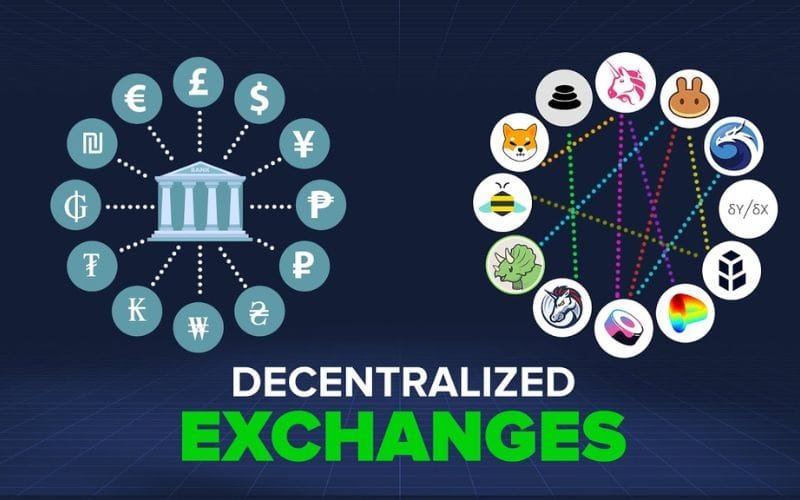
A decentralized crypto exchange, or DEX, is a platform that allows cryptocurrency trading without relying on intermediaries or a centralized authority. Instead, transactions occur directly between users through smart contracts on blockchain networks.
The best decentralized exchange operates without holding customer funds, making it less susceptible to hacks while offering enhanced security and transparency. These platforms promote self-custody, ensuring that users retain full control over their assets and private keys.
Traditional trading methods have largely been replaced by decentralized exchanges. Instead of conventional order books, liquidity pools are used, and Automated Market Makers (AMMs) play a crucial role in connecting crypto buyers and sellers based on trading volume, making the best decentralized exchange platforms highly efficient.
How is Decentralized Crypto understood?
How Does a Decentralized Crypto Exchange Work?
In a traditional cryptocurrency exchange, you typically create an account and go through the Know Your Customer (KYC) verification process. Once you’ve deposited funds or connected your crypto wallet, you can buy, sell, or trade cryptocurrencies, either making quick transactions or building a long-term portfolio.
With the best decentralized exchange, the process is much simpler. You connect your crypto wallet directly to the DEX platform. When you want to buy or swap crypto assets, you just select the desired tokens. The DEX app shows you the current price, and if you approve, you confirm the transaction. There’s no need to log in, provide personal details, or create an account.
Rather than pairing you with a specific seller, the best decentralized exchange uses Automated Market Makers (AMMs) to source coins and tokens from liquidity pools—crypto funds that other users have contributed for a specified period. When you make a purchase on a DEX, you’re essentially buying from one of these liquidity pools.
The AMM system also allows users to participate by lending their funds to liquidity pools. You can lock in your crypto for a set period, whether it’s a week, a month, or longer, and at the end, you receive your funds back along with a portion of the transaction fees earned by the pool. It’s similar to earning interest on a traditional financial investment.
Advanced decentralized exchanges offer even more flexibility, letting you fine-tune how you participate in liquidity pools. For example, you can make your tokens available only within a specific price range. Skilled traders often adjust these settings to optimize their earnings.
In essence, the best decentralized exchanges act as matchmaking services, connecting crypto buyers with liquidity pools of available funds, offering a seamless and efficient trading experience.
Security Measures for Decentralized Exchanges
Common Risks Associated with DEXs
- Rug Pulls: A type of scam where developers abandon a project and take investors’ funds. This usually happens when a DEX has no transparency in its governance or code.
- Smart Contract Bugs: Vulnerabilities in the code of smart contracts can be exploited by hackers, leading to loss of funds or manipulation of trades.
- Impermanent Loss: As previously discussed, impermanent loss occurs when the value of assets in a liquidity pool changes relative to when they were deposited. This can result in a lower value upon withdrawal than if the assets were held separately.
- Market Manipulation: Low liquidity in some DEXs can lead to price manipulation by a few large holders or bots, affecting the trading experience.
- Phishing Attacks: Fraudulent attempts to trick users into revealing their private keys or seed phrases through fake websites or communications.
Key Security Measures to Consider

Is the security of DEX different from CEX?
- Audited Smart Contracts: Use DEXs with smart contracts that have undergone third-party audits to identify and address potential vulnerabilities. Look for audits from reputable firms.
- Multisig Wallets: For funds held by the DEX, multisig wallets require multiple signatures to execute transactions, enhancing security by reducing the risk of single points of failure.
- Decentralized Governance and DAOs: Participate in decentralized autonomous organizations (DAOs) that govern the DEX. DAOs help ensure transparency and community involvement in decision-making processes, reducing the risk of malicious actions by developers.
- Layer 2 Solutions: Use DEXs that leverage Layer 2 solutions (e.g., Optimism, Arbitrum) to enhance security by providing faster transaction speeds and lower costs, reducing the likelihood of failed transactions.
How to Protect Yourself When Trading on a DEX?
- Using Hardware Wallets: Store your assets in hardware wallets, which are less susceptible to hacks compared to software wallets. This adds a significant layer of security to your cryptocurrency holdings.
- Monitoring Transaction Fees and Gas Prices: Stay informed about current gas prices and transaction fees. Use tools like Etherscan or Gas Station to check real-time gas prices and choose optimal times for trading.
- Engaging in Governance Proposals and Voting: Actively participate in governance by voting on proposals that affect the DEX. This engagement keeps you informed about changes and helps protect your interests as a user.
- Researching Projects: Before investing in new projects or liquidity pools, conduct thorough research. Look for community reviews, project roadmaps, and transparency about the team behind the project.
- Setting Up Alerts: Set up alerts for significant changes in liquidity pools or token prices to stay informed about potential risks or opportunities.
- Using Reputable DEXs: Stick to well-known and established DEXs with a solid track record, user base, and transparency regarding their operations.
Top 13 Best Decentralized Exchange in 2024
Uniswap

Best decentralized exchange – don’t forget Uniswap
Uniswap remains one of the best decentralized exchanges in 2024, known for its intuitive interface and extensive liquidity pools. It allows users to trade a vast array of tokens effortlessly. Uniswap’s automated market maker (AMM) model enables trading against liquidity pools rather than traditional order books, reducing slippage and increasing trading efficiency.
With integration into Layer 2 solutions and support for multiple blockchain networks beyond Ethereum, Uniswap has expanded its reach while lowering transaction costs. The platform’s commitment to security and transparency, through regular audits and open-source code, has cemented its status as a trusted and secure DEX.
SushiSwap
SushiSwap offers competitive trading fees alongside innovative features like yield farming. Its integration with multiple blockchains enhances liquidity and trading options, making it one of the best decentralized exchanges for users seeking variety. SushiSwap originally forked from Uniswap, rapidly gaining popularity by offering extra incentives to liquidity providers.
With its user-friendly interface and consistent addition of new features, SushiSwap remains a favorite among traders. The platform’s cross-chain capabilities and strong community governance ensure its place at the forefront of DEXs.
PancakeSwap
Built on Binance Smart Chain, PancakeSwap provides fast and low-cost transactions, making it one of the best decentralized exchanges for users prioritizing speed and efficiency. Its gamified interface, paired with high liquidity, attracts many traders. PancakeSwap’s yield farming and staking options also make it an appealing platform for earning rewards while trading.
The platform continuously innovates, engaging users through features like lottery tickets and NFT collectibles. With robust security measures and regular audits, PancakeSwap offers a safe and enjoyable trading experience.
Curve Finance
Curve Finance has also been highly appreciated by many investors in recent years.
Curve Finance excels in stablecoin trading, offering minimal slippage and efficient transactions. Its unique algorithm ensures users get the best prices, making it one of the best decentralized exchanges for large-volume stablecoin trades.
Curve’s integration with various DeFi protocols enhances liquidity and trading options, and its focus on providing a secure, user-friendly platform has made it a top DEX choice for stablecoin traders.
Balancer
Balancer stands out as one of the best decentralized exchanges due to its customizable liquidity pools, offering traders flexibility and control over their strategies. Its multi-token pools allow users to manage diversified portfolios while reducing risk.
The platform’s governance token, BAL, gives users decision-making power, fostering a strong community. Balancer’s emphasis on user autonomy and innovation ensures its continued prominence among traders seeking tailored solutions.
dYdX
As one of the best decentralized exchanges for advanced traders, dYdX specializes in margin trading and derivatives. Its robust platform attracts professionals looking for sophisticated trading tools. By integrating Layer 2 solutions, dYdX ensures low-cost, high-speed transactions.
The platform prioritizes security through regular audits and an insurance fund, providing a safe trading environment. With its focus on advanced trading features, dYdX remains a top choice for experienced traders.
1inch
DeFi ecosystem provides leading products and solutions for Web3
1inch, a leading DEX aggregator, secures the best decentralized exchange rates by splitting orders across multiple platforms. Its efficient algorithm ensures users get the most favorable deals. The intuitive interface makes optimizing trades easy for users.
By integrating with numerous DEXs and supporting various tokens, 1inch boosts liquidity and trading options. Its user-friendly approach and efficient trading processes make it a favorite among traders seeking optimal prices.
Bancor
Bancor is one of the best decentralized exchanges offering automated market making (AMM) and cross-chain liquidity. Its protocol allows seamless trading across different blockchains. Bancor’s single-sided liquidity provision reduces impermanent loss, making it attractive to liquidity providers.
With continuous updates and a focus on security, Bancor offers a reliable trading experience. Its innovative cross-chain liquidity approach helps set it apart in the DEX space.
Kyber Network
Kyber Network provides on-chain liquidity and instant token swaps, making it one of the best decentralized exchanges for quick and secure transactions. Its integration with DeFi applications broadens its versatility and appeal.
Kyber’s transparent fee structure, coupled with strong security measures, ensures a safe trading environment. Its ongoing improvements and focus on interoperability keep Kyber at the forefront of decentralized exchanges.
ThorChain
ThorChain supports cross-chain asset swaps, making it one of the best decentralized exchanges for trading across different blockchains without needing centralized intermediaries. Its innovative design ensures liquidity and efficient trades across various chains.
ThorChain’s focus on security and community governance builds trust among users. Its cross-chain capabilities and seamless trading experience make ThorChain a standout platform in the DEX market.
Kine Protocol
KINE Rated as the Best Decentralized Exchange for 2024
Kine Protocol distinguishes itself as one of the best decentralized exchanges by leveraging Layer 2 Network technology, which facilitates on-chain staking and trading without the burden of gas fees. This innovation drastically lowers costs, making decentralized finance more accessible for users. The platform’s Peer-to-Pool model ensures unlimited liquidity and minimizes slippage, offering an efficient and attractive trading experience.
One of Kine’s standout features is its support for up to 200x leverage, enabling traders to significantly amplify their positions. This, combined with advanced position management tools, creates a powerful and flexible environment for trading. Additionally, Kine’s multi-chain support (including Ethereum, Binance Smart Chain, Polygon, and Avalanche) allows users to deposit and withdraw KINE tokens across various blockchains, increasing flexibility.
Kine also features a unique Mission Center, where users can learn, play, and earn loyalty points, fostering a strong community-driven ecosystem. As the platform continues to grow, it plans to integrate features like smart trading signals and incentive programs, further cementing its role as one of the best decentralized exchanges focused on innovation and user engagement.
IDEX
IDEX is a hybrid decentralized exchange that combines the strengths of both centralized and decentralized platforms, offering a unique trading experience. Launched in 2018, IDEX was one of the best decentralized exchanges to provide real-time trading with high-speed order matching and a user-friendly interface, similar to centralized exchanges.
Unlike traditional DEXs that rely solely on automated market maker models, IDEX employs an off-chain order book and matching engine to process trades while settling them on-chain. This hybrid approach allows for faster execution speeds and lower trading fees compared to fully on-chain DEXs.
IDEX supports a wide range of Ethereum-based tokens and has expanded its offerings to include assets on other blockchains like Binance Smart Chain and Polkadot. The platform’s decentralized nature ensures users maintain control of their private keys and funds, enhancing security. With advanced trading features like limit and stop-loss orders, IDEX is one of the best decentralized exchanges for traders transitioning from centralized platforms to DeFi.
0x Protocol
0x Protocol stands as a decentralized exchange infrastructure, providing the tools for developers to build their own DEXs and DeFi applications on the Ethereum blockchain. Launched in 2017 by ZeroEx Labs, 0x Protocol powers peer-to-peer trading of ERC-20 tokens and other assets, forming a foundational layer for many DeFi applications and one of the best decentralized exchange solutions for developers.
The protocol utilizes off-chain relay orders combined with on-chain settlements, reducing gas fees and boosting transaction speeds. This hybrid approach merges the efficiency of off-chain order books with the security of on-chain settlements, making it both scalable and cost-effective. 0x’s open-source nature allows developers to create custom trading platforms, AMMs, and other financial products tailored to specific needs.
Governed by its native token, ZRX, the 0x Protocol enables token holders to stake and participate in governance decisions, earning rewards in the process. Its versatility and ability to reduce trading friction have positioned 0x as one of the best decentralized exchanges powering a growing number of dApps and decentralized platforms across multiple blockchains.
Advantages of Decentralized Crypto Exchanges
Decentralized exchanges, built on blockchain architecture, offer several distinct advantages compared to traditional crypto exchanges, making them some of the best options for traders.
Enhanced Security
One of the most significant advantages of the best decentralized exchanges is the enhanced security they offer. Since these exchanges operate on blockchain networks, the risks associated with a centralized authority being hacked are eliminated. Although decentralized exchanges aren’t completely immune to technical vulnerabilities like smart contract bugs, the absence of a central authority reduces the likelihood of massive fund thefts due to breaches.
Once a transaction is confirmed on the blockchain, the data becomes immutable, further enhancing the security of the platform. Users also retain full control over their private keys, ensuring their funds remain secure and protected from third-party interference, which is a hallmark of the best decentralized exchange platforms.
Increased Privacy
The outstanding advantage of the DEX exchange is to protect the privacy of users to the maximum.
The best decentralized exchanges offer a higher level of privacy compared to their centralized counterparts. While centralized platforms often require users to provide personal information and verify their identity, DEXs typically allow for more private, peer-to-peer transactions. This lack of intermediaries also reduces the risks of data breaches and unauthorized access to sensitive information.
With decentralized exchanges not holding users’ funds or private keys, traders enjoy the added assurance of maintaining complete control over their assets. For those who prioritize anonymity and financial independence, the best decentralized exchanges are an appealing option.
Greater Transparency
Transparency is another key benefit provided by the best decentralized exchanges. Unlike centralized platforms, where much of the transaction history is hidden, DEXs make all transaction records publicly available on the blockchain. This level of transparency enables anyone to verify the authenticity and history of any trade, helping build trust and reduce the risks of fraud and manipulation.
Many of the best decentralized exchanges are also open-source, allowing users to inspect the platform’s code to ensure it operates securely and fairly, further enhancing trust in the platform.
Censorship Resistance
A standout feature of the best decentralized exchanges is their resistance to censorship. Unlike centralized platforms that are subject to regulatory scrutiny and potential manipulation, DEXs operate on distributed networks that are difficult for any single entity to control or shut down. This decentralized operation ensures that platforms remain free from centralized control, providing greater freedom for users.
Moreover, blockchain technology ensures that transactions on these exchanges are immutable, preventing tampering or manipulation, which makes the best decentralized exchanges a preferred choice in regions with restricted access to financial systems.
Financial Inclusion
One of the most impactful advantages of the best decentralized exchanges is their ability to promote financial inclusion. With fewer barriers to entry and minimal KYC requirements, DEXs provide easier access to financial services, particularly for individuals in underserved regions. These platforms offer a broad range of tokenized assets, giving traders new investment opportunities and the ability to diversify their portfolios.
By lowering the barriers to participating in the global economy, the best decentralized exchanges contribute to economic development, empowering users across the globe to engage in financial activities previously inaccessible to them.
Disadvantages of Decentralized Crypto Exchanges
While the best decentralized exchanges offer numerous advantages, they also come with a few limitations.
Liquidity and Liquidity Pools
One of the challenges faced by even the best decentralized exchange platforms is liquidity. Unlike centralized exchanges such as Binance and Coinbase, which have large user bases and substantial liquidity, DEXs rely on liquidity pools. These pools don’t always have the necessary depth for certain trading pairs, leading to low trading volumes for specific tokens. As a result, traders may experience higher slippage and less favorable trading conditions, particularly when executing large orders.
Complexity of Use
The best decentralized exchanges often require users to have a solid understanding of blockchain technology and smart contracts. Without centralized customer support, navigating these platforms can be difficult for inexperienced users. Furthermore, the interface of many DEXs might appear less user-friendly or polished compared to centralized platforms, adding another layer of complexity to the user experience.
Limited Order Types
Another drawback of the best decentralized exchange platforms is the limited range of order types and trading tools they offer. While basic buy and sell orders are usually available, advanced features such as stop-loss orders, limit orders, and margin trading are often missing. This limitation can restrict trading strategies and make risk management more challenging for users accustomed to the more sophisticated tools found on centralized exchanges.
How to Choose the Best Decentralized Exchange for Crypto Trading?
Selecting the best decentralized exchange for crypto trading can seem challenging, but by focusing on your specific needs, it becomes much easier. Are you looking for the best platform to trade Bitcoin, or do you need access to a wide range of cryptocurrencies? When making your choice, ensure that the best decentralized exchange offers robust security, a user-friendly interface, and dependable support. A combination of these features will help you find the ideal platform to meet your trading goals.
Trading Fees
Always consider trading fees before investing in DEX exchanges
One critical factor when selecting the best decentralized exchange is trading fees, as they can significantly impact your profitability. It’s important to compare the fee structures of top DEX platforms to find one that offers competitive rates. Some decentralized exchanges may offer lower trading fees but have higher costs for withdrawals or deposits. Evaluating the fee structures of the best DEX platforms will ensure you align with a platform that fits your budget and trading strategy.
Available Cryptocurrencies
When choosing the best decentralized exchange, consider the variety of cryptocurrencies available. The ideal DEX should support a wide range of assets, enabling you to diversify your portfolio. Whether you’re interested in Bitcoin or exploring altcoins, the best decentralized exchange will offer an extensive list of supported assets, giving you the flexibility to trade top-performing cryptocurrencies whenever you need.
Payment Methods
The ease of managing deposits and withdrawals is a key factor when choosing the best decentralized exchange. Look for platforms that support multiple payment methods, such as bank transfers, credit cards, or PayPal. The more payment options available, the more convenient it will be to manage your funds. The best decentralized exchange will feature versatile payment systems, ensuring seamless and efficient transactions.
Security
Security should be a top concern when selecting the best decentralized exchange. Top-tier DEX platforms employ advanced security features like two-factor authentication (2FA), cold storage, and encryption to protect your assets. These measures provide peace of mind, safeguarding your investments from cyber threats. Choosing a secure platform is crucial to ensuring the safety of your funds.
Accessibility
Accessibility is another vital consideration. The best decentralized exchange should be easy to use on various devices and locations. Top DEX platforms provide intuitive mobile apps and responsive websites, allowing you to trade on the go. Additionally, ensure the platform supports your preferred language and complies with local regulations. A focus on accessibility will ensure you can manage your investments efficiently, no matter where you are.
Liquidity of Crypto Assets
Liquidity is essential for executing trades quickly and at optimal prices. The best decentralized exchange should have high trading volumes and a significant number of active users. Adequate liquidity ensures you can buy or sell assets without experiencing major price fluctuations. The best DEX platforms typically offer high liquidity, which is beneficial for both new and experienced traders, guaranteeing smooth and timely transactions.
Support

Always look for DEXs that can support you 24/7
Reliable customer support is an essential feature of the best decentralized exchange. Issues can occur at any time, and having access to quick, responsive support can make a big difference. Look for DEX platforms that offer 24/7 customer service through various channels such as live chat, email, or phone. Quality support ensures any issues are swiftly resolved so you can focus on trading rather than troubleshooting.
User Interface
A user-friendly interface is vital to enhancing your trading experience on the best decentralized exchange. Leading DEX platforms offer intuitive and easy-to-navigate interfaces that cater to both beginners and seasoned traders. A well-designed interface allows you to execute trades, track your portfolio, and access market data without difficulty. The best decentralized exchange prioritizes user experience, ensuring that trading is accessible to all, without a steep learning curve.
Reputation
The reputation of a decentralized exchange is a strong indicator of its reliability. When selecting the best decentralized exchange, it’s important to research reviews and testimonials to understand the experiences of other users. A solid reputation typically reflects transparency, security, and high-quality service. Choosing a reputable DEX platform is essential to ensuring the security and success of your crypto investments.
Centralized Exchange vs Decentralized Exchange
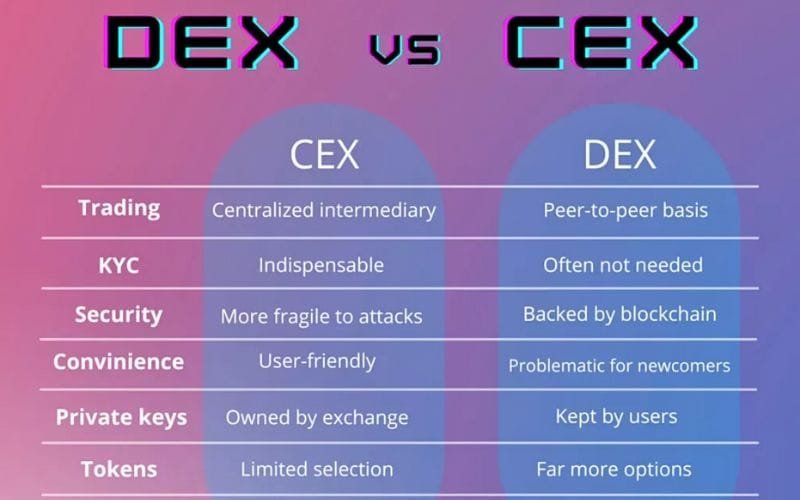
What is the difference between DEX and CEX?
In the rapidly evolving cryptocurrency landscape, traders typically choose between two main types of exchanges: Centralized Exchanges (CEXs) and Decentralized Exchanges (DEXs). Both offer distinct advantages depending on the user’s preferences, such as security, privacy, and user experience. Choosing the best decentralized exchange or a centralized platform can significantly impact the control you have over your assets, the level of privacy you maintain, and the overall efficiency of your trades. This comparison highlights the core differences between CEXs and the best decentralized exchanges to help traders make informed decisions based on their unique needs and goals.
Custody of Assets
One of the most important distinctions between the best decentralized exchanges (DEXs) and centralized exchanges (CEXs) is asset custody. On a DEX, users maintain control over their private keys, allowing them to handle transactions directly from their personal wallets. This enhances security since the exchange doesn’t hold user funds, reducing the risk of hacks. On the other hand, CEXs manage user funds through company-controlled wallets, which simplifies trading but introduces risks if the platform’s security is compromised.
Anonymity and Privacy
The best decentralized exchanges typically don’t require users to submit personal information, providing a higher level of anonymity and privacy. Users can trade without the need for sharing sensitive data, which is appealing to those concerned about privacy or operating in restrictive environments. In contrast, CEXs often mandate identity verification through Know Your Customer (KYC) processes to comply with regulations, requiring users to provide personal information and documents.
Trading Volume and Liquidity
CEXs offer significant benefits for traders due to their large trading volumes and liquidity, allowing for faster, more efficient trades. This is especially important for day traders, where swift order execution can impact profitability. However, the best decentralized exchange may still face challenges in achieving the same liquidity levels as centralized platforms. As a result, DEXs can experience slippage and less favorable pricing for high-volume trades, which might deter those looking for the fastest and most precise execution.
User Experience and Features
Centralized exchanges often provide a more user-friendly experience, complete with advanced features like margin trading, stop-loss orders, and futures contracts. This makes CEXs particularly appealing for beginners or those wanting to explore margin trading on crypto platforms. Additionally, CEXs generally offer robust customer support. On the other hand, the best decentralized exchanges focus on secure, peer-to-peer transactions. While these platforms may offer fewer trading options and a steeper learning curve, they appeal to traders who prioritize security and full control over their transactions.
Regulatory Compliance and Security
CEXs are typically regulated and must comply with financial laws, offering an extra layer of security and reliability. This regulatory oversight makes CEXs seem more trustworthy to some traders, driving their broader adoption. In contrast, the best decentralized exchange often operates with minimal regulatory oversight, adhering to the decentralized nature of the crypto community. While this provides greater freedom, it may also increase risks for users in terms of legal protection and recourse.
How to Get Started with a Decentralized Cryptocurrency Exchange (DEX)?
Signing up and trading on the best decentralized exchange is a straightforward process, though it differs from the steps typically seen on centralized platforms. Here’s a simplified guide to help you get started:
- Create a Wallet: Instead of registering for an account, you’ll need a compatible cryptocurrency wallet. This wallet will allow you to securely manage and trade assets directly on the best decentralized exchange, without handing over control to any third party.
- Connect Your Wallet: Once your wallet is set up, simply connect it to the best decentralized exchange. This usually involves navigating to the DEX’s website and selecting the “connect wallet” option. You retain full control of your private keys, meaning your funds are always under your control.
- Start Trading: With your wallet connected, you can begin trading instantly. The best decentralized exchange won’t require identity verification or personal information, maintaining the privacy and decentralization ethos that makes these platforms unique.
DEX Crypto Exchange Fees
When trading on the best decentralized exchange, it’s crucial to understand how fees work, as they can impact your overall trading strategy. Choosing a platform with competitive fees can significantly improve your trading experience.
- Trading Fees: The best decentralized exchange typically charges a small fee for each transaction. These fees are used to compensate liquidity providers who enable the trades. Unlike centralized platforms, there usually isn’t a distinction between maker and taker fees, keeping the structure simple and transparent.
- Network Fees: In addition to trading fees, you’ll encounter network fees. These are paid to blockchain miners or validators for processing your transactions on the network. The cost of these fees can fluctuate based on the blockchain’s congestion and the type of network the exchange uses.
- Withdrawal Considerations: Since you are trading directly from your wallet on the best decentralized exchange, there are no standard withdrawal fees like those found on centralized exchanges. However, moving your crypto assets to different wallets or other exchanges will incur network fees.
By understanding the fee structure on the best decentralized exchange, you can effectively optimize your trading strategy while enjoying the benefits of user control and privacy that DEXs offer.
Best Practices for Using Decentralized Exchanges
Staying Safe: Avoiding Scams and Phishing Attacks
- Use Official Websites and Apps: Always access DEXs through their official websites or trusted apps. Bookmark the URL to avoid typos and fraudulent sites.
- Check for SSL Certificates: Ensure the website has an SSL certificate (look for “https://” in the URL) to confirm it is secure.
- Beware of Phishing Attempts: Be cautious of unsolicited messages or emails claiming to be from DEXs. Never click on links or provide personal information without verifying their authenticity.
- Use Hardware Wallets: Store your cryptocurrencies in hardware wallets when not actively trading. This provides an extra layer of security against hacks.
- Enable Two-Factor Authentication (2FA): For wallets and exchanges that support it, enabling 2FA adds an additional security measure to your accounts.
Understanding Impermanent Loss and How to Mitigate It
What is Impermanent Loss?: Impermanent loss occurs when the price of tokens in a liquidity pool diverges from their price at the time of deposit. The more significant the divergence, the higher the potential loss compared to holding the assets separately.
Strategies to Mitigate Impermanent Loss:
- Choose Stablecoin Pools: Providing liquidity to pools that contain stablecoins (e.g., USDC/USDT) minimizes volatility.
- Monitor Market Conditions: Keep an eye on price trends and market conditions to withdraw liquidity before significant price movements.
- Use Impermanent Loss Calculators: Several online tools help estimate potential impermanent loss based on price movements and pool dynamics.
- Consider Using a DEX with IL Protection: Some DEXs offer mechanisms to protect against impermanent loss, allowing for more secure liquidity provision.
Managing Transaction Costs: Gas Fee Optimization Tips
- Understand Gas Fees: Gas fees are transaction fees paid to miners for processing trades on the blockchain. High network congestion can lead to increased fees.
- Optimal Timing: Trade during off-peak hours (usually during weekends or late at night) when gas fees are lower.
- Set Custom Gas Fees: Some wallets allow users to set their gas fees. Adjusting this can help you save money, but be cautious not to set it too low, as it may lead to transaction delays.
- Use Layer 2 Solutions: Consider using DEXs that operate on Layer 2 solutions (like Optimism or Arbitrum) for significantly reduced fees and faster transactions.
- Monitor Gas Prices: Use tools like Gas Station or Etherscan to monitor current gas prices and select optimal times for trading.
How to Stay Informed: Keeping Up with DEX Upgrades and Community Discussions
- Follow Official Channels: Subscribe to the official social media accounts, blogs, and newsletters of your favorite DEXs for the latest news and updates.
- Join Community Forums: Engage in community discussions on platforms like Discord, Reddit, or Telegram to stay informed about upcoming features and community concerns.
- Participate in Governance: If the DEX allows it, participate in governance proposals and voting. This keeps you updated on changes and gives you a say in the platform’s direction.
- Read Documentation and Updates: Familiarize yourself with the DEX’s documentation and announcements regarding new features, security audits, and protocol upgrades.
- Engage with Educational Content: Follow blogs, YouTube channels, and podcasts focused on DeFi and DEXs for insights and educational content about best practices.
Best Decentralized Exchange – Frequently Asked Questions
Are decentralized exchanges legal?
Yes, the best decentralized exchange platforms are legal in most countries. However, the legality depends on local regulations surrounding cryptocurrency. It’s essential for users to confirm the legal status in their region before engaging with any DEX.
Are decentralized exchanges safe?
The best decentralized exchange platforms provide a high level of security since they allow users to trade while maintaining control of their private keys. However, to ensure maximum safety, users need to adopt good security practices, such as protecting their wallet keys to prevent any potential loss or theft.
How do decentralized exchanges make money?
The best decentralized exchange generates revenue through trading fees, which are charged as a percentage of each trade. These fees compensate liquidity providers and fund the ongoing development and maintenance of the platform.
Which is safer, a DEX or a CEX?
The best decentralized exchange is generally safer regarding the risk of hacking, as it doesn’t hold user funds. However, centralized exchanges (CEXs) offer additional security features like customer support and regulatory compliance, which may benefit some users based on their specific needs.
Do decentralized exchanges report to tax authorities?
The best decentralized exchange platforms typically do not collect user information and do not directly report to tax authorities like the IRS. It is the user’s responsibility to report and pay any taxes on transactions according to their local laws.
Do I need to pay taxes on decentralized exchange transactions?
Yes, in most jurisdictions, transactions on the best decentralized exchange are subject to taxation, similar to centralized exchanges. Users must keep records of their trades and report any capital gains or losses on their tax returns.
What should I look for in the best decentralized exchange?
When choosing the best decentralized exchange, you should focus on factors such as security, the range of supported assets, liquidity, fee structure, and user-friendliness. It’s also beneficial to research the development team and read user reviews to ensure reliability and good performance.
Can I trade any cryptocurrency on the best decentralized exchange?
While the best decentralized exchange platforms support a broad range of cryptocurrencies, not every asset may be available. The availability of a particular cryptocurrency depends on the specific DEX and the liquidity provided for that asset. Always check if the asset you’re interested in is listed on the DEX you plan to use.
Are Decentralized Exchanges Reputable in 2024?
 Should you invest in DEX exchanges in the future?
Decentralized exchanges (DEXs) have gained significant momentum within the cryptocurrency space. As more users prioritize privacy, autonomy, and security in their financial dealings, DEXs have emerged as a reputable alternative to centralized exchanges (CEXs). But are they truly trustworthy and reliable in 2024? To answer this question, we must look at several factors that have contributed to their growing reputation and what defines the best decentralized exchange.
Privacy and Control
One of the key factors behind the rise of the best decentralized exchange platforms is their emphasis on user privacy and control. Unlike centralized exchanges, which often require extensive personal information through Know Your Customer (KYC) regulations, DEXs allow users to trade without surrendering their identities. This appeal to privacy-conscious users has only strengthened in 2024 as global regulations around cryptocurrency become more stringent. The best decentralized exchange platforms enable users to maintain full control over their funds through self-custody, meaning they hold their private keys and, therefore, are not at risk of losing assets due to exchange hacks or other security breaches.
Security
Security is another pillar supporting the reputation of decentralized exchanges in 2024. By design, DEXs reduce the risk of large-scale hacks that have plagued centralized platforms. Since user funds are never stored on the exchange itself, even if a DEX were compromised, hackers would not be able to access users’ assets. This aspect has made the best decentralized exchange platforms increasingly attractive to both retail and institutional traders who seek to mitigate the risks associated with centralized exchanges. That said, DEX users must still adopt good security practices, such as safeguarding their private keys, to avoid personal losses.
Liquidity and Trading Volume
A common criticism of DEXs in the past has been the issue of liquidity. However, the best decentralized exchange platforms have addressed this challenge through innovations like automated market makers (AMMs) and improved liquidity pool mechanisms. In 2024, many DEXs now offer competitive liquidity for major trading pairs, enabling smoother and more efficient trades. While centralized exchanges still dominate in terms of trading volume, the gap has narrowed, and DEXs are now considered viable options even for high-volume traders. Additionally, liquidity incentives, such as staking rewards, have helped attract more users and liquidity providers to DEXs, further improving their overall reputation.
Regulatory Landscape
The evolving regulatory environment has also played a crucial role in shaping the reputation of decentralized exchanges. While decentralized platforms traditionally operate with minimal oversight, 2024 has seen increased scrutiny from governments and regulatory bodies worldwide. However, the best decentralized exchange platforms have adapted to this landscape by implementing optional compliance features that cater to users in regulated jurisdictions. This balance between maintaining the core decentralized ethos and adhering to legal requirements has bolstered trust in these platforms, making them more accessible to a broader audience.
User Experience and Accessibility
The user experience on decentralized exchanges has improved significantly in recent years. In 2024, the best decentralized exchange platforms offer more intuitive interfaces, enhanced security measures, and educational resources to guide new users through the complexities of decentralized finance (DeFi). The development of mobile apps and cross-chain integrations has also made DEXs more accessible, allowing users to trade a wide variety of assets across different blockchains with ease. As a result, DEXs have become more inclusive and easier to use, even for beginners in the cryptocurrency world.
Conclusion
As the cryptocurrency landscape continues to evolve, the best decentralized exchanges are leading the charge in this transformation, providing users with unparalleled control, security, and flexibility. These top DEXs not only improve trading experiences but also promote a more inclusive financial ecosystem that empowers individuals around the globe.
At Coinreviews, we believe the future of crypto trading is rooted in these innovative platforms, enabling users to trade seamlessly without intermediaries while retaining ownership of their assets. As you navigate the dynamic world of decentralized finance, staying informed about the best decentralized exchange will be essential for maximizing your trading potential. Embrace the revolution in crypto trading, and let we help you make informed decisions for your digital asset journey.
Read more:
- Binance Review: Features, Supported Cryptos and Fees!
- Bybit Review: Pros, Cons and Key Features
- OKX Review: Pros, Cons, Future Potential & More
- HTX Review: Fees, Security, Pros & Cons
- Bitget Review: Pros & Coins, Fees & More
- Bitfinex Review: Is It Secure or Scam?
- Kucoin Review: Social Trading, Fees, Pros & Cons
- Crypto.com Review: Is the Exchange Safe or Scam?
- BingX Review: Verified Reviews, Pros & Cons
- LBank Review: Should You Use It?
- bitFlyer Review: Pros & Cons and Ratings
- ProBit Review: Is It the Right Crypto Exchange for You?
- P2B Review: Fees, Features, Safety, Pros & Cons
- Pionex Review: Pros, Cons & All You Need to Know
- BitMEX Review: Fees, Trading, Staking & More
- Phemex Review: Is It a Good Crypto Exchange?
- BTSE Review: Is It Safe & Reliable?
- CoinEx Review: Is This Crypto Exchange Safe?
- Poloniex Review: Features, Regulation & Risks
- BITFLEX Review: Features, Safety, Pros & Cons
- CoinJar Review: Is It the Right Exchange for You?
- Paymium Review: Pros, Cons, Key Features & Fees
- LBank Review: Is It the Right Exchange for You?
- MEXC Review: Latest Pros, Cons, Key Features & Fees
- BitMart Review: Reviews, Trading Fees & Cryptos